Exploring the Chemistry Behind Rubber Products in Paper Mills
The Role of Rubber in the Pulp and Paper Industry
Importance of Rubber Products
Rubber products play a pivotal role in the pulp and paper industry, serving as essential components that enhance operational efficiency and safety. These products withstand harsh environments, ensuring that machinery operates smoothly without interruptions. In paper mills, the demands for durability and reliability are high, making rubber an ideal material due to its flexibility, resilience, and resistance to wear. The use of rubber products for the pulp & paper industry extends beyond mere functionality; it contributes significantly to the overall productivity of the mills. Effective sealing solutions and robust components minimize downtime, leading to increased output and profitability.
Overview of Natural Rubber Usage
Natural rubber, derived from the sap of rubber trees, holds a prominent position in the pulp and paper industry due to its exceptional properties. Its elasticity and tensile strength make it a preferred choice for various applications. Manufacturers leverage natural rubber for gaskets, stoppers, and other sealing solutions that require both flexibility and durability. The renewable nature of natural rubber aligns with sustainability goals, as it offers a biodegradable alternative to synthetic options. With a growing emphasis on eco-friendly practices, the pulp and paper industry increasingly turns to natural rubber products to meet both performance and environmental standards.
Types of Rubber Products in Paper Mills
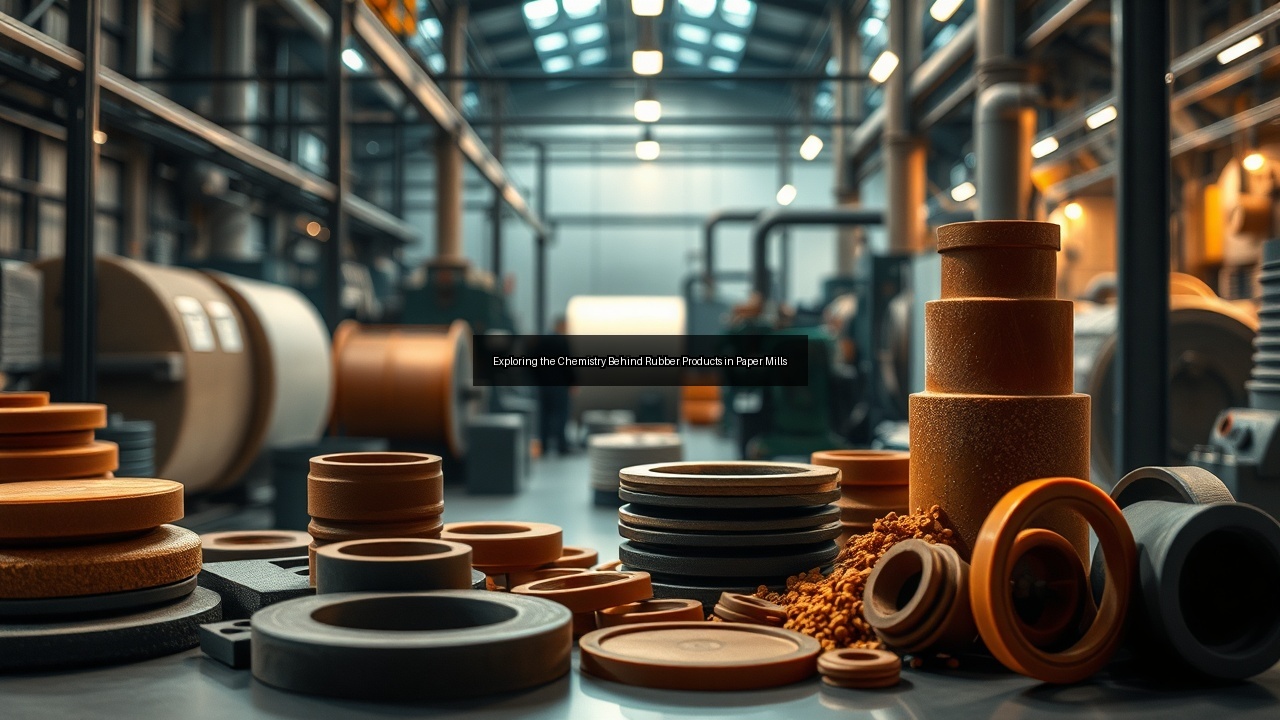
Paper mills utilize a variety of rubber products to support their operations. Common items include gaskets, stoppers, and various components for vacuum systems. Gaskets provide critical sealing solutions that prevent leaks and maintain pressure within machinery, while stoppers ensure the integrity of systems by controlling the flow of materials. Additionally, rubber components in vacuum systems help maintain optimal performance by creating airtight seals. The selection of rubber products for the pulp industry hinges on the specific needs of each operation, with considerations for temperature, chemical exposure, and mechanical stress all playing significant roles in the decision-making process.
Key Rubber Products and Their Applications
Gaskets: Essential Sealing Solutions
Gaskets represent one of the most essential rubber products in the pulp and paper industry. These sealing devices fill gaps between surfaces to prevent leakage of fluids and gases, ensuring that machines operate efficiently. Gaskets made from natural rubber or specialized compounds withstand the pressures and temperatures typical in paper mills. They contribute to the overall safety and effectiveness of equipment by preventing contamination and loss of materials. With advancements in material science, manufacturers now produce gaskets that offer enhanced durability and resistance to various chemicals used in the pulping process. This innovation ensures that gaskets perform effectively over extended periods, reducing the need for frequent replacements and minimizing operational disruptions.
Stoppers: Ensuring System Integrity
Stoppers play a crucial role in maintaining system integrity within paper mills. These rubber products are designed to seal openings and prevent leaks in piping and tanks, crucial for managing fluids and chemicals effectively. Stoppers come in various shapes and sizes to fit specific applications, ensuring compatibility with the diverse systems found in paper manufacturing. The use of high-quality rubber, such as natural rubber or EPDM (Ethylene Propylene Diene Monomer), enhances the performance of stoppers by providing excellent resistance to temperature fluctuations and chemical exposure. By ensuring that systems remain airtight, stoppers help maintain efficiency in processes, ultimately leading to higher productivity and reduced waste.
Vacuum Systems and Rubber Components
Vacuum systems are integral to many processes in the pulp and paper industry, and rubber components are vital for their operation. These systems rely on airtight seals to function correctly, making the quality of rubber products essential. Components such as vacuum hoses, seals, and connectors must withstand constant pressure changes and exposure to various chemicals. The use of EPDM rubber in these applications offers significant advantages due to its superior resistance to heat, ozone, and aging. The durability of rubber components in vacuum systems directly impacts the efficiency of the paper production process, as any failure can lead to costly downtimes and production losses. Therefore, investing in high-quality rubber products ensures optimal performance in vacuum applications.
Chemistry of Rubber Materials
Understanding Natural Rubber Composition
Natural rubber, primarily composed of polyisoprene, exhibits unique chemical properties that contribute to its effectiveness in various applications, including those in the pulp and paper industry. The structure of polyisoprene allows for excellent elasticity and tensile strength, making it ideal for gaskets and stoppers. Additionally, natural rubber's inherent resilience enables it to return to its original shape after deformation, which is critical in sealing applications. Understanding the composition of natural rubber helps manufacturers tailor its properties to meet specific needs, such as enhancing resistance to chemicals or improving thermal stability. This chemistry drives the continuous innovation in rubber products for the pulp industry.
Exploring EPDM (Ethylene Propylene Diene Monomer)
EPDM rubber, or Ethylene Propylene Diene Monomer rubber, has gained popularity in the pulp and paper industry due to its superior chemical and temperature resistance. Composed of ethylene and propylene, with a diene component that provides cross-linking capabilities, EPDM exhibits excellent flexibility and durability. This makes it an ideal choice for applications in harsh environments, where exposure to heat and chemicals is common. The versatility of EPDM allows manufacturers to produce a wide range of rubber products, including gaskets, seals, and hoses that meet the stringent requirements of the pulp and paper industry. Innovations in EPDM formulations continue to expand its applications, enhancing performance across the board.
Chemical Properties Impacting Performance
The performance of rubber products in the pulp and paper industry hinges on various chemical properties. Factors such as tensile strength, elongation, hardness, and resistance to chemicals significantly influence the selection of rubber materials. For instance, rubber products must withstand exposure to aggressive chemicals used in the pulping process while maintaining their integrity and functionality. Additionally, temperature resistance plays a vital role, as many processes operate under elevated conditions. By analyzing these chemical properties, manufacturers can develop rubber products that not only meet industry standards but also provide enhanced performance and longevity, ultimately benefiting the entire production process.
Innovations and Future Trends in Rubber Products
Sustainable Rubber Solutions
As environmental concerns grow, the pulp and paper industry increasingly embraces sustainable rubber solutions. Natural rubber, being a renewable resource, offers a biodegradable alternative to synthetic rubber pulp and paper industry rubber products products. Manufacturers now explore innovative ways to enhance the sustainability of rubber materials, such as developing bio-based additives and integrating recycling processes. This focus on sustainability not only aligns with global environmental goals but also meets the demands of consumers and regulatory bodies. By prioritizing sustainable rubber solutions, the industry can reduce its ecological footprint while maintaining high performance and reliability in its products.
Advanced Materials for Enhanced Durability
Advancements in material science have led to the development of rubber products with enhanced durability for the pulp and paper industry. New formulations incorporate additives that improve resistance to wear, aging, and chemical exposure. These advanced materials extend the life of rubber products like gaskets and stoppers, reducing replacement costs and downtime. Innovations such as nanotechnology and improved curing processes drive these advancements, allowing manufacturers to create rubber products that meet the demanding conditions of the pulp and paper industry. As durability becomes increasingly critical, these advanced materials will play a significant role in optimizing production processes.
Smart Technologies: Integration with Industry 4.0
The integration of smart technologies into the pulp and paper industry represents a significant trend that will shape the future of rubber products. Industry 4.0 emphasizes automation, data exchange, and smart manufacturing, allowing for real-time monitoring and optimization of production processes. Rubber products equipped with sensors can provide valuable insights into their performance, helping to predict maintenance needs and enhance operational efficiency. This shift towards smart technologies not only improves reliability but also enables manufacturers to adapt quickly to changing market demands. As the industry embraces these innovations, rubber products will evolve to meet the challenges and opportunities presented by the digital age.